In the intricate world of automotive engineering, the transmission system stands as a vital component that facilitates the transfer of power from the engine to the wheels. Central to this system is the shift solenoid, a small yet powerful device that plays a crucial role in the automatic transmission operation. But how many shift solenoids are typically found in a transmission, and what do they do? Let’s delve into this fascinating topic.
What is a Shift Solenoid?
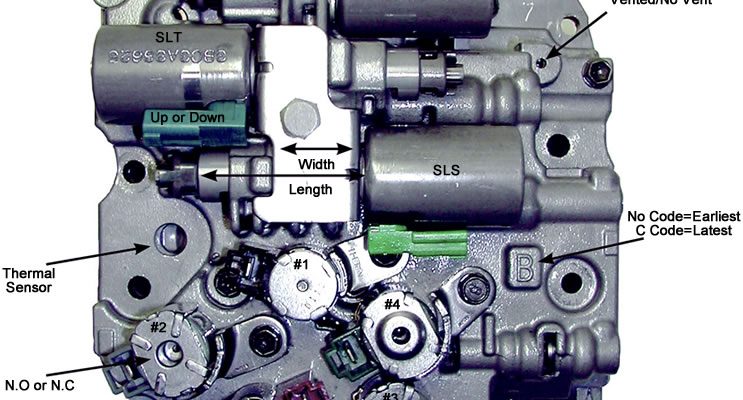
A shift solenoid is an electromechanical device that controls the flow of transmission fluid within an automatic transmission. When the vehicle’s computer determines that a gear change is necessary, it activates the appropriate solenoid. This action directs hydraulic pressure to engage or disengage the clutches and bands that facilitate gear shifts.
The Role of Shift Solenoids
Shift solenoids serve several critical functions:
- Gear Engagement: They control the engagement and disengagement of gears, ensuring smooth transitions during acceleration and deceleration.
- Fluid Regulation: By regulating the flow of transmission fluid, solenoids help maintain optimal pressure levels, which is essential for proper transmission function.
- Communication with the ECU: Shift solenoids receive signals from the engine control unit (ECU) to execute shifts based on driving conditions, speed, and throttle input.
How Many Shift Solenoids Are There?
The number of shift solenoids in a transmission can vary significantly depending on the design and complexity of the transmission system. Generally, you can expect to find:
- Two to Four Solenoids: In many traditional automatic transmissions, there are typically two or three shift solenoids responsible for controlling the engagement of different gears.
- More in Advanced Transmissions: Modern vehicles, especially those with continuously variable transmissions (CVTs) or dual-clutch transmissions (DCTs), may have four or more solenoids to manage a greater range of gear ratios and improve performance.
Why Does the Number of Solenoids Matter?
The number of shift solenoids can directly impact the performance and efficiency of a vehicle’s transmission system. More solenoids allow for:
- Smoother Shifts: With more solenoids, the transmission can achieve finer control over gear changes, resulting in a smoother driving experience.
- Better Fuel Efficiency: Efficient gear shifting can optimize engine performance, leading to improved fuel economy.
- Enhanced Performance: More solenoids enable advanced features like adaptive transmission control that can adjust shifting patterns in real-time based on driving conditions.
Understanding the number of shift solenoids in a transmission is crucial for anyone interested in automotive mechanics. These small yet powerful devices play a pivotal role in the smooth operation of a vehicle’s transmission system. As automotive technology continues to evolve, the complexity and number of shift solenoids may increase, further enhancing the performance and efficiency of modern vehicles.
Whether you’re a car enthusiast, a mechanic, or simply a curious driver, grasping the function and significance of shift solenoids will enrich your understanding of how your vehicle operates.