Every car owner knows that the engine is the heart of their vehicle, but few understand the critical role that engine coolant plays in keeping this heart healthy. When the engine coolant temperature (ECT) gauge sends out a warning, it’s not just a blinking light on the dashboard; it’s a signal that requires immediate attention. Let’s delve deeper into what these warnings mean, why they occur, and how to respond effectively.
What is Engine Coolant and Why is it Important?
Engine coolant, often a mixture of water and antifreeze, is essential for regulating your engine’s temperature. It absorbs excess heat generated during combustion and dissipates it through the radiator. This process not only prevents overheating but also ensures your engine operates efficiently. Without proper cooling, you could face severe engine damage, leading to costly repairs.
Understanding the Coolant Temperature Warning Light
The coolant temperature warning light typically appears as a thermometer symbol or a simple warning light on your dashboard. When illuminated, it indicates that your engine’s temperature is rising above the normal operating range. This can result from several factors:
- Low Coolant Levels: A decrease in coolant levels can prevent effective heat transfer.
- Coolant Leaks: Leaks can occur in hoses, the radiator, or the water pump, leading to insufficient coolant.
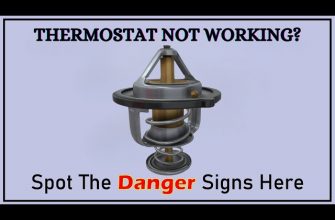
- Thermostat Failure: A stuck thermostat can impede coolant flow, causing the engine to overheat.
- Water Pump Issues: A failing water pump won’t circulate coolant effectively, leading to overheating.
- Blocked Cooling System: Debris or corrosion in the cooling system can restrict coolant flow.
What to Do When the Warning Light Comes On
Seeing the coolant temperature warning light can be alarming, but remaining calm is crucial. Here’s a step-by-step guide on how to respond:
- Pull Over Safely: As soon as you notice the warning, find a safe place to pull over. Continuing to drive can cause severe engine damage.
- Turn Off the Engine: Shut down the engine to halt the heating process and prevent further damage.
- Allow the Engine to Cool: Wait at least 15-30 minutes before opening the hood to prevent burns from steam or hot components.
- Check Coolant Levels: Once cooled, check the coolant reservoir. If it’s low, add the appropriate coolant (never open the radiator cap when hot).
- Inspect for Leaks: Look for visible signs of leaks under the vehicle or around hoses and the radiator.
- Seek Professional Help: If the light continues to stay on after adding coolant, or if you notice any leaks, have a mechanic inspect your vehicle.
Preventive Measures for Engine Cooling System
Prevention is always better than cure. Here are some tips to maintain your engine’s cooling system:
- Regularly check coolant levels and top off as needed.
- Have your cooling system flushed and refilled according to manufacturer recommendations.
- Inspect hoses and clamps for signs of wear and replace if necessary.
- Keep an eye on the temperature gauge while driving and respond promptly to any anomalies.
Understanding engine coolant temperature warnings is key to maintaining your vehicle’s health. By recognizing the warning signs and knowing how to respond, you can protect your engine from overheating and avoid costly repairs. Regular maintenance and vigilance will go a long way in ensuring your vehicle runs smoothly for years to come.
Stay informed and keep your engine cool!