Transmission overheating is a common issue that can lead to significant vehicle damage if left unaddressed. Many drivers are unaware that their transmission can overheat while idling, which can be just as detrimental as overheating during driving. Understanding the causes and solutions is essential for maintaining your vehicle’s performance and longevity.
Understanding Transmission Overheating
The transmission in your vehicle is responsible for transferring power from the engine to the wheels. It relies on transmission fluid to keep it cool and lubricated. When this fluid overheats, it can cause severe damage to the transmission components, leading to costly repairs. But what causes transmission overheating at idle?
Common Causes of Transmission Overheating
- Low Transmission Fluid Levels: Insufficient fluid can lead to inadequate cooling and lubrication, resulting in overheating.
- Dirty or Contaminated Fluid: Over time, transmission fluid can accumulate debris and contaminants, hindering its effectiveness.
- Faulty Cooling System: Many vehicles use a transmission cooler to regulate temperature. If the cooler is malfunctioning, it can lead to overheating.
- Extended Idling: Sitting in traffic or idling for long periods can cause the transmission to heat up, especially if the vehicle is not in motion.
- Inadequate Airflow: Obstructions in the airflow around the transmission can impede cooling, particularly in hot weather.
- Mechanical Issues: Problems such as a failing torque converter or worn-out components can lead to overheating.
Solutions to Prevent Transmission Overheating
Addressing transmission overheating at idle requires a combination of preventive measures and timely interventions. Here are some effective solutions:
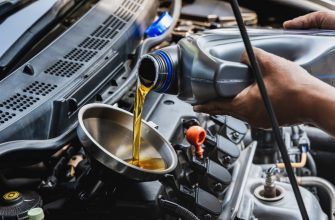
- Check Fluid Levels: Regularly inspect your transmission fluid levels and top them up as needed. Consult your owner’s manual for the correct fluid specifications.
- Change Fluid Regularly: Follow the manufacturer’s recommended schedule for changing transmission fluid to ensure optimal performance.
- Inspect Cooling System: Have your vehicle’s cooling system checked for proper operation, especially the transmission cooler.
- Avoid Extended Idling: Turn off your engine if you anticipate being idle for an extended period to prevent overheating.
- Improve Airflow: Ensure that there are no obstructions around the transmission and that the vehicle’s airflow is not compromised.
- Seek Professional Help: If you suspect mechanical issues, consult a qualified mechanic to diagnose and repair any underlying problems.
Transmission overheating at idle is a serious issue that can lead to costly repairs if not addressed promptly. By understanding the causes and implementing preventive measures, you can protect your vehicle’s transmission and ensure it operates smoothly. Regular maintenance is key to preventing overheating issues and extending the life of your vehicle. Stay informed, and don’t hesitate to seek professional help when necessary!