Spilling gasoline in your car can be a frustrating and potentially hazardous situation. Whether it’s from a fuel tank overfill or a leaky gas canister, understanding the causes and knowing how to address the problem can save you time, money, and stress. In this article, we’ll dive into the common causes of gas spills in vehicles and explore effective solutions to handle the situation.
- Common Causes of Gas Spills in Cars
- Health and Environmental Risks
- Solutions for Managing Gas Spills
- Immediate Actions
- Cleaning Up the Spill
- Preventing Future Spills
- Addressing the Impact of Gas Spills on Vehicle Maintenance
- Inspecting for Damage
- Seeking Professional Help
- Alternative Solutions for Gas Spill Cleanup
- Understanding the Implications of Gas Spills in Vehicles
- The Environmental Impact
- Long-Term Vehicle Maintenance
- Resources for Further Reading
Common Causes of Gas Spills in Cars
- Overfilling the Fuel Tank: One of the most frequent causes of gas spillage occurs when drivers attempt to overfill their gas tanks. This can happen if the fuel nozzle is not properly inserted or if the automatic shutoff feature malfunctions.
- Leaking Fuel Lines: Over time, fuel lines can become worn or damaged, leading to leaks. This is particularly common in older vehicles or those exposed to harsh weather conditions.
- Faulty Fuel Cap: A damaged or improperly sealed fuel cap can allow gasoline to evaporate or leak, especially during braking or acceleration.
- Accidental Spills: Spills can also occur during refueling if the nozzle is not carefully handled or if the vehicle is parked at an angle.
- Defective Fuel Pump: A malfunctioning fuel pump can lead to excessive pressure in the fuel lines, causing gasoline to escape.
Health and Environmental Risks
It’s essential to address gas spills promptly due to the health risks and environmental concerns they pose. Gasoline is highly flammable and can lead to fire hazards if not cleaned properly. Additionally, gasoline contains harmful chemicals that can pollute the environment, making it crucial to handle spills with caution.
Solutions for Managing Gas Spills
Immediate Actions
- Evacuate the Area: If a significant amount of gasoline is spilled, ensure that everyone vacates the area to avoid inhaling fumes or being exposed to fire hazards.
- Contain the Spill: Use absorbent materials, such as sand or kitty litter, to soak up the gasoline. This helps prevent further spreading and minimizes environmental impact.
- Ventilate: Open windows and doors to allow fresh air to circulate, reducing the concentration of vapors inside the vehicle.
Cleaning Up the Spill
- Use Protective Gear: When cleaning up gasoline spills, wear gloves, goggles, and a respirator to protect yourself from harmful chemicals.
- Clean the Affected Area: After absorbing the gasoline, clean the area with a mixture of soap and water. For tougher stains, a specialized automotive cleaner may be necessary.
- Dispose of Waste Properly: Place the used absorbent materials and cleaning rags in a sealed container and take them to a hazardous waste disposal facility. Never throw them in the regular trash.
Preventing Future Spills
To avoid the inconvenience and hazards associated with gas spills, consider the following preventive measures:
- Monitor Fuel Levels: Always keep an eye on your fuel levels to prevent overfilling. Familiarize yourself with your vehicle’s fuel capacity.
- Regular Maintenance: Schedule regular inspections for your fuel lines and caps to catch any wear and tear early. Replacing old components can prevent leaks.
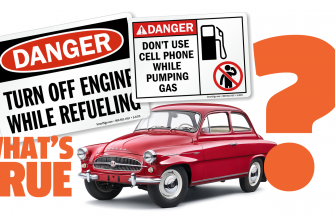
- Proper Refueling Techniques: When refueling, insert the nozzle properly and avoid topping off the tank. This reduces the risk of accidental spills.
Spilled gasoline in your car can be more than just a nuisance; it poses health and environmental risks that should be taken seriously; By understanding the common causes and implementing effective solutions, you can mitigate the impact of gas spills and prevent them from happening in the future. Always prioritize safety and proper maintenance to keep your vehicle running smoothly and responsibly.
Addressing the Impact of Gas Spills on Vehicle Maintenance
Beyond the immediate concerns of safety and cleanliness, spilled gasoline can lead to long-term issues for your vehicle. Gasoline is corrosive and, if left unattended, can damage internal components such as wiring, rubber seals, and even the vehicle’s paint job. Here’s how to navigate these potential pitfalls effectively.
Inspecting for Damage
After cleaning up a spill, it’s crucial to conduct a thorough inspection of the affected area. Check for:
- Corrosion: Look for signs of rust or corrosion on metal components, especially those near the spill site.
- Worn Seals: Inspect rubber seals and gaskets for degradation. Gasoline exposure can cause them to harden or crack, leading to further leaks.
- Electrical Issues: Ensure that wiring harnesses and connectors are intact. Gasoline can compromise electrical systems, potentially leading to malfunctions.
Seeking Professional Help
If you suspect that the spill has caused damage, consult a professional mechanic. They can perform a comprehensive inspection and recommend necessary repairs. Addressing these issues early can save you from more extensive and costly repairs down the line.
Alternative Solutions for Gas Spill Cleanup
In addition to using absorbent materials, there are specialized products designed for cleaning up gasoline spills effectively. Consider the following options:
- Oil Absorbent Pads: These pads are specifically designed to absorb petroleum-based products and can be a quick solution for spills.
- Commercial Spill Kits: Available at automotive and industrial supply stores, these kits contain everything you need to handle spills safely and efficiently.
- Biodegradable Cleaners: Eco-friendly options can effectively break down gasoline, making them a safer choice for both you and the environment.
Spilling gasoline in your car is an inconvenience that can have serious implications if not managed properly. By understanding the causes of spills, implementing effective cleanup strategies, and taking preventive measures, you can minimize risks and maintain your vehicle’s integrity. Remember, a proactive approach not only ensures your safety but also enhances the longevity of your car. Stay informed, stay prepared, and keep your vehicle running smoothly!
Understanding the Implications of Gas Spills in Vehicles
When gasoline spills occur, the immediate reaction is often to clean up the mess and move on. However, it’s crucial to consider the broader implications of such incidents. Gas spills can lead to not only physical damage to the vehicle but also potential long-term consequences for the environment. Understanding these factors can help drivers take better care of their vehicles and make informed decisions about maintenance and repairs.
The Environmental Impact
Gasoline is a toxic substance that can seep into the ground and contaminate soil and water supplies. Even a small spill can have a detrimental effect on local ecosystems. Here are some critical points to consider:
- Soil Contamination: Gasoline can leach into the soil, affecting plant life and the organisms that depend on healthy soil to thrive.
- Water Pollution: If gasoline spills reach storm drains or groundwater, it can contaminate drinking water supplies, posing a serious health risk to communities.
- Wildlife Threat: Animals that come into contact with gasoline can suffer from health issues, and their habitats can be irrevocably altered.
Long-Term Vehicle Maintenance
Addressing a gas spill goes beyond immediate cleanup; understanding the long-term effects on vehicle maintenance is essential. Here are some tips for ensuring your vehicle remains in good condition:
- Regular Inspections: After a spill, conduct regular inspections of your vehicle’s undercarriage and fuel system to check for leaks or corrosion.
- Fuel System Maintenance: Ensure that your fuel lines, caps, and pumps are in good condition. Consider replacing any components that show signs of wear.
- Detailing and Cleaning: Consider professional detailing services that use specialized products designed to remove gasoline residues safely.
Gas spills can be a hassle, but with proactive measures and a comprehensive understanding of their implications, drivers can mitigate risks effectively. Regular vehicle maintenance, prompt cleanup, and environmental consciousness are not just good practices; they are essential to preserving your vehicle’s longevity and protecting the planet.
In a world where every drop counts, making informed choices about fuel management can lead to safer roads and a healthier environment. So the next time you fuel up, remember to do so with care—both for your vehicle and the world around you.
Resources for Further Reading
- EPA Guidelines on Fuel Spills
- NHTSA — Understanding Gasoline Leaks
- How to Prevent Fuel Spills
This text expands on the implications of gas spills by discussing environmental concerns, long-term vehicle maintenance, and providing resources for further reading, all while maintaining an engaging and informative tone.