The world of automobiles is ever-evolving‚ and understanding the dynamics of the global car population is essential for policymakers‚ manufacturers‚ and environmentalists alike. As we delve into the current estimates and trends shaping the automotive landscape‚ we uncover insights into how our roads are changing and what that means for the future.
Current Estimates of Global Car Population
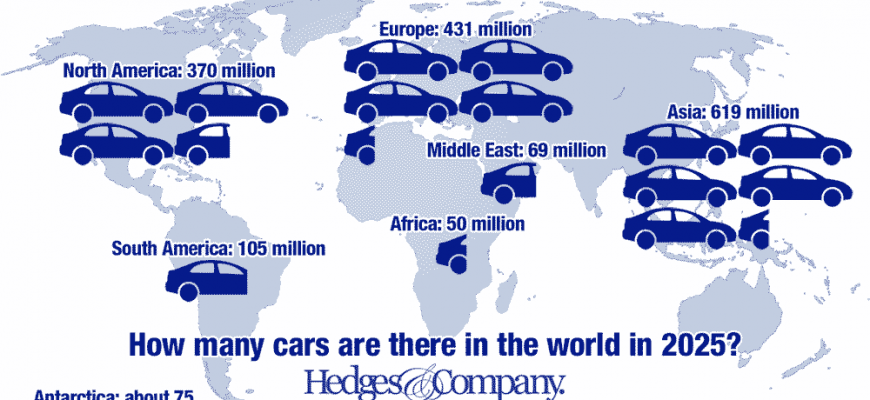
As of 2023‚ the global car population is estimated to exceed 1.5 billion vehicles. This figure represents a significant increase from previous years‚ driven by burgeoning demand in emerging economies and a steady rise in disposable incomes. The International Organization of Motor Vehicle Manufacturers (OICA) reports that approximately 80 million new cars are produced every year‚ showcasing the robust growth of the automotive industry.
Regional Insights
The distribution of cars across the globe is not uniform. The United States remains one of the largest markets‚ with over 270 million registered vehicles. Meanwhile‚ countries like China have overtaken the US in terms of annual sales‚ contributing to a rapid increase in their vehicle count‚ which now stands at around 300 million cars. Other notable regions include:
- Europe: With around 300 million vehicles‚ Europe exhibits a diverse car culture‚ driven by stringent environmental regulations and a growing preference for electric vehicles.
- India: The car population is rapidly increasing‚ currently estimated at 30 million vehicles‚ as urbanization and a rising middle class fuel demand.
- Latin America: Countries like Brazil and Mexico are seeing growth‚ with a combined car population of over 60 million.
Trends Shaping the Future
The trends influencing the global car population are multifaceted‚ reflecting technological advancements‚ consumer preferences‚ and environmental concerns:
1. Electrification of Vehicles
As the world grapples with climate change‚ the shift towards electric vehicles (EVs) is paramount. In 2023‚ EVs accounted for approximately 10% of new car sales globally‚ a figure that analysts expect to grow exponentially in the coming years.
2. Urbanization and Mobility Solutions
The rise of urban populations is changing how we think about transportation. Cities are increasingly implementing car-sharing and ride-hailing services‚ which may reduce the need for individual car ownership and influence future car sales.
3. Sustainability and Regulations
Governments around the world are instituting stricter emissions regulations‚ pushing manufacturers to innovate; This regulatory environment is likely to accelerate the adoption of cleaner technologies and reshape consumer preferences towards more sustainable options.
The global car population is on an upward trajectory‚ reflecting both challenges and opportunities within the automotive industry. As we navigate this shifting landscape‚ understanding current estimates and emerging trends will be vital for stakeholders across sectors. The transition towards electrification‚ urban mobility solutions‚ and sustainability is not just a trend; it’s a vital evolution that will define the future of transportation.