Wheel bearings are critical components of any vehicle’s suspension system, playing a vital role in the smooth and safe operation of your car. When these bearings fail, the repercussions can be severe, affecting not only the vehicle’s performance but also the safety of its occupants. In this article, we will delve into the various consequences of a failed wheel bearing, shedding light on the importance of timely maintenance and awareness of warning signs.
Understanding Wheel Bearings
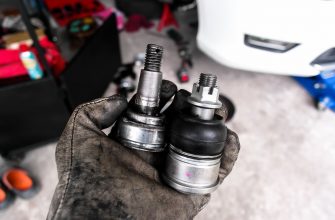
Wheel bearings are small but essential parts that allow the wheels to rotate smoothly on their axles. They are designed to withstand immense weight and friction while providing a smooth ride. Typically, wheel bearings are made from steel and are sealed to protect them from dirt and moisture. However, like all mechanical components, they have a lifespan and can eventually wear out.
Signs of a Failing Wheel Bearing
Before we explore the consequences of a failure, it’s crucial to identify the warning signs:
- Unusual Noises: A common indicator is a grinding or humming noise coming from the wheel area, especially when turning.
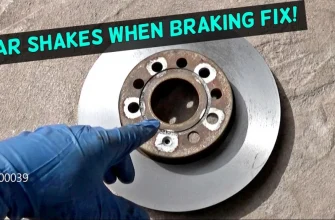
- Vibration: If you feel excessive vibrations in the steering wheel or body of the vehicle, it could signal a wheel bearing issue.
- Uneven Tire Wear: A failing bearing can lead to misalignment, causing tires to wear unevenly.
- Play in the Wheel: A loose wheel can indicate a bearing that is failing or has already failed.
Consequences of a Wheel Bearing Failure
1. Impaired Handling and Stability
A failed wheel bearing can dramatically affect your vehicle’s handling. As the bearing deteriorates, it can cause the wheel to wobble, leading to instability. This instability can make it difficult to control the vehicle, especially at higher speeds or during turns, increasing the risk of accidents.
2. Increased Wear on Other Components
When a wheel bearing fails, it can place additional stress on other vehicle components, such as the suspension and tires. This increased wear can lead to more frequent repairs and replacements, compounding the initial issue and leading to higher maintenance costs over time.
3. Potential for Wheel Detachment
In the most severe cases, a failed wheel bearing can lead to the complete detachment of the wheel from the vehicle. This is not only dangerous for the driver but also poses a significant risk to other road users. A detached wheel can cause catastrophic accidents, resulting in injuries or fatalities.
4. Increased Repair Costs
Ignoring the signs of a failing wheel bearing can lead to more extensive damage that requires costly repairs. What might start as a simple bearing replacement can escalate into a full suspension rebuild or brake system replacement, leading to significant financial strain.
5. Safety Hazards
Beyond the mechanical implications, a failed wheel bearing presents serious safety hazards. Reduced control over the vehicle can lead to collisions, putting not only the driver but also passengers and pedestrians at risk. Regular inspections and maintenance can mitigate these dangers.
Wheel bearings are a small yet crucial part of your vehicle’s overall functionality and safety. Recognizing the signs of a failing wheel bearing and addressing them promptly can prevent a cascade of negative consequences, from impaired vehicle handling to potential accidents. Regular maintenance and inspections are essential in keeping your vehicle safe on the road. Don’t overlook these vital components—your safety depends on it!