Oil leaks can be a nightmare for car owners, leading to costly repairs and potential damage to the environment. Fortunately, there are several effective solutions to help fix these pesky leaks without breaking the bank. In this article, we will explore the best oil leak stop solutions available, ranging from DIY fixes to professional products.
Understanding Oil Leaks
Before diving into solutions, it’s essential to understand what causes oil leaks. Common culprits include:
- Worn gaskets and seals
- Damaged oil pans
- Loose or damaged drain plugs
- Corrosion of engine components
Identifying the source of the leak is crucial for selecting the right solution.
DIY Solutions
For those who enjoy hands-on work, several DIY methods can temporarily stop oil leaks:
1. Stop Leak Additives
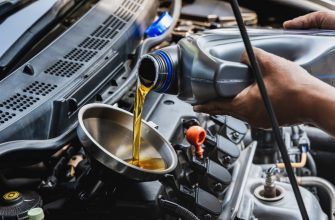
Many automotive stores offer stop leak additives that can be poured directly into your engine oil. These products are designed to swell and condition gaskets and seals, creating a tighter seal. Popular brands include:
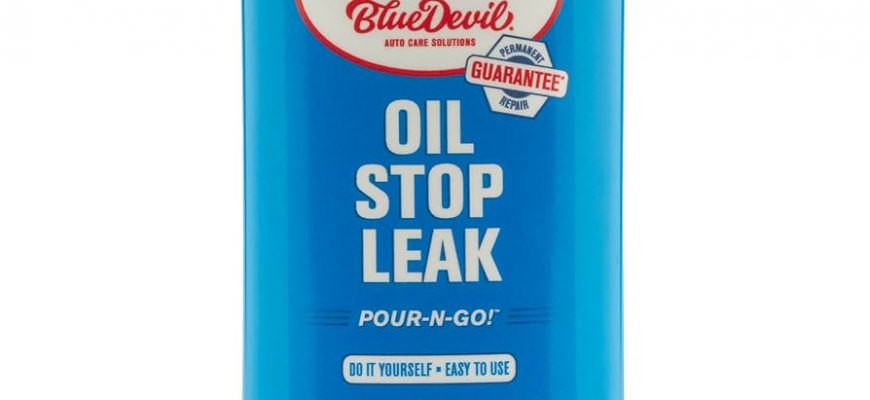
- BlueDevil Oil Stop Leak ー Known for its effectiveness in sealing small leaks.
- Bar’s Leaks Engine Oil Stop Leak ⸺ A budget-friendly option that works for various engine types.
2. Using a Thick Oil
Switching to a thicker oil can also help minimize leaks. High viscosity oils create a tighter seal around gaskets and can slow down the leaking process. However, it’s important to follow your vehicle’s manufacturer recommendations regarding oil viscosity.
3. DIY Sealant
For minor leaks, you can create a sealant using a mixture of engine oil and a thickening agent like cornstarch. Apply the mixture directly to the leaking area and let it set.
Professional Solutions
If the DIY methods do not resolve the issue, you may need to consider professional solutions:
1. Gasket Replacement
Replacing worn gaskets is often the most effective long-term solution. This task can be complex and may require professional help, but it ensures a permanent fix to the leak.
2. Oil Pan Replacement
If the oil pan is damaged, replacing it can solve the leak. Again, this is a job best suited for a mechanic, as it requires disassembling parts of the engine.
3. Professional Sealants
Mechanics often use industrial-strength sealants that are not available to the general public. These products are designed to withstand high pressures and temperatures, offering a stronger solution for persistent leaks.
Preventative Measures
To avoid oil leaks in the future, consider the following preventative measures:
- Regular oil changes to maintain engine health.
- Inspect gaskets and seals during routine maintenance.
- Keep an eye on oil levels and pressure.
Oil leaks can be a significant issue, but with the right solutions, they can be effectively managed. Whether you choose a DIY approach or seek professional help, addressing oil leaks promptly can save you money and protect your vehicle’s integrity. Invest in quality products, maintain your vehicle regularly, and you’ll keep those leaks at bay!